
Professional Polygraph Examiner in Denver, CO
Professional Polygraph Examiner in Denver, CO
When important questions require greater clarity, a Professional Polygraph Examiner in Denver, CO can provide a structured examination process. A qualified polygraph examiner uses specialized equipment to record physiological responses while carefully prepared questions are presented. These lie detector services may be considered for personal, workplace, legal, or other situations where individuals want an objective testing process. Moreover, professional truth verification requires proper preparation, clear communication, and responsible examination procedures.
Reliable Polygraph Testing Services in Denver
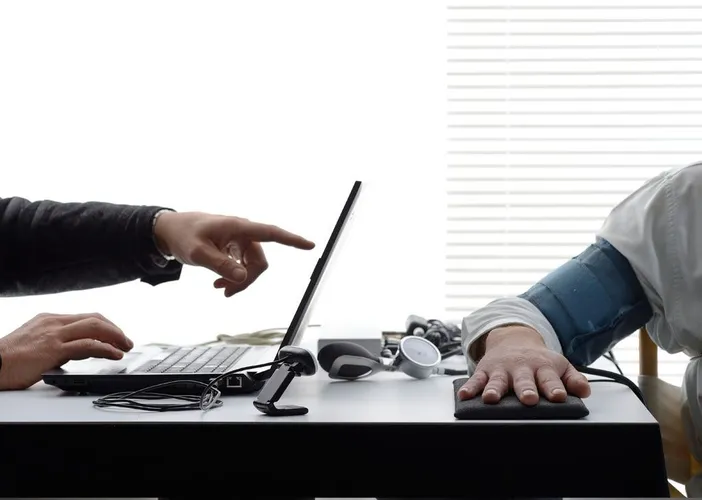
A polygraph examination is designed to compare physiological responses associated with answers to relevant questions. During the process, sensors may monitor changes such as breathing patterns, cardiovascular activity, and other physiological responses. The examiner then reviews the recorded information using appropriate evaluation methods.
Importantly, a polygraph test is not simply a quick question-and-answer session. The examination normally includes several stages, including a pre-test discussion, question review, testing, and post-test procedures. Each stage helps create a more organized and understandable experience.
Furthermore, the examiner should explain the testing process before the examination begins. This allows the participant to understand what will happen and gives an opportunity to discuss the questions. Clear communication can help reduce confusion and ensure that the examination follows an appropriate structure.
Professional Lie Detector Examination Process
A professional lie detector examination generally begins with a detailed consultation. The examiner discusses the purpose of the test and reviews the relevant information with the participant. Questions are then discussed before testing so that their meaning is understood.
After preparation, the participant is connected to the polygraph equipment. The examiner asks the approved questions while physiological responses are recorded. Several testing phases may be conducted depending on the circumstances and examination format.
Following the testing portion, the collected data is evaluated. The examiner considers the recorded physiological patterns in relation to the questions and other examination information. Therefore, the final assessment should be based on the complete examination rather than on a single reaction.
When Polygraph Services May Be Considered
People may consider polygraph testing for different personal and professional circumstances. For example, some individuals seek testing to address concerns involving honesty, relationships, financial matters, or disputed events.
In addition, certain organizations may consider truth verification testing in appropriate workplace situations. The suitability of testing can depend on the circumstances, applicable rules, and the purpose of the examination.
Personal and Relationship Testing
Relationship concerns can sometimes create uncertainty between partners. In these situations, a polygraph examination may be requested as one way to address specific questions. However, participants should understand that a polygraph is an investigative tool and should not be presented as an absolute guarantee of truth.
For personal examinations, clearly defined questions are especially important. Questions should focus on specific issues rather than vague or overly broad concerns. As a result, proper preparation can make the examination easier to understand and conduct.
Legal and Investigative Polygraph Testing
Some people seek legal polygraph testing when dealing with disputes or investigative matters. However, the acceptance or usefulness of polygraph results can vary depending on the situation and applicable legal requirements.
For this reason, anyone considering a test for a court-related matter should understand the relevant requirements before scheduling an examination. A qualified examiner can explain the testing process and general considerations without making unsupported promises about legal outcomes.
What to Expect From a Polygraph Examiner
Choosing an experienced polygraph examiner is an important part of the testing process. Participants should look for professional communication, clear procedures, appropriate equipment, and a careful approach to question development.
Before the examination, participants may be asked to provide relevant background information. The examiner can then determine which questions are appropriate for the specific purpose of the test. Additionally, participants should have enough time to understand the procedure before testing starts.
During the examination, remaining calm and following the examiner’s instructions can help maintain a consistent process. Participants should answer the questions as instructed and communicate if they do not understand a question.
Confidential and Professional Testing Environment
Privacy can be an important consideration when arranging a polygraph examination. Personal concerns and examination topics may involve sensitive information. Therefore, a professional testing environment should prioritize respectful communication and appropriate handling of examination details.
A structured environment can also help participants feel more comfortable with the process. From the initial consultation to the completion of the examination, each stage should be explained clearly.
Preparing for a Denver Polygraph Examination
Good preparation can contribute to a smoother testing experience. Participants should arrive on time and provide accurate information during the pre-test discussion. They should also follow any instructions provided before the appointment.
Getting adequate rest and avoiding unnecessary distractions before the examination may help participants remain focused. Likewise, wearing comfortable clothing can make the appointment more convenient.
Most importantly, participants should understand the purpose of the test and the questions being reviewed. If something is unclear, asking for clarification before testing begins is preferable to making assumptions.
Why Choose a Professional Polygraph Examiner?
Selecting a Professional Polygraph Examiner in Denver, CO can help ensure that the examination follows a structured and professional process. Experience, communication, proper preparation, and careful data evaluation are important considerations when comparing testing providers.
Moreover, a professional approach helps participants understand what a polygraph examination can and cannot establish. The results should be interpreted within the context of the complete examination rather than treated as an unquestionable determination of truth.
Whether the concern involves a personal matter, workplace issue, or investigative question, professional testing should always begin with clearly defined objectives. Consequently, choosing an examiner who explains the process and sets realistic expectations can make the experience more informed and organized.
Schedule Professional Polygraph Testing in Denver
If you are considering Professional Polygraph Examiner in Denver, CO services, start by identifying the specific questions you need addressed. A clear purpose can help determine whether polygraph testing is appropriate for your situation.
Before scheduling, ask about the examination process, preparation requirements, question development, confidentiality, and reporting procedures. By understanding these details in advance, you can make a more informed decision about professional polygraph testing in Denver.
Call Us: (303) 805-1039 or (719) 649-3433

Need a polygraph test near you? Proof Positive Polygraph has convenient locations all over Colorado and Wyoming with expert examiners ready to assist. Visit our website and check our polygraph locations tab, and easily call to book your exam. Click “Call a Polygraph” to get started today!
Why Choose Us?
Polygraph Testing measures physiological responses such as heart rate, blood pressure, respiration, and skin conductivity to help determine whether an individual is being truthful. During a polygraph examination, a trained examiner asks a series of carefully structured questions while monitoring and recording the subject’s physical responses. The underlying principle of Polygraph Testing is that deceptive answers may trigger measurable physiological changes that differ from responses associated with truthful answers.
Polygraph Testing is commonly used in criminal investigations, legal matters, employment screenings, relationship and fidelity concerns, and other situations where verifying the truth is important. While the accuracy and reliability of polygraph examinations continue to be discussed among experts, polygraph testing remains a widely utilized tool for gathering information and supporting investigative efforts. For professional, confidential, and reliable polygraph testing services, contact Proof Positive Polygraph at 303-805-1039 to schedule a consultation or learn more about the testing process.
Colorado Springs Office
- 1755 Telstar Dr. 3rd Floor, Suite 300
- Colorado Springs, CO
- (719) 649-3433