Taking a polygraph test can feel stressful, especially if you have never experienced a polygraph examination before. You may be wondering what to do the night before, whether you should eat beforehand, what questions you will be asked, or whether nervousness can affect the examination.
The good news is that preparing for a polygraph test does not require complicated techniques. The most useful preparation is practical: get normal rest, understand the purpose of the examination, arrive prepared, listen carefully to each question, and communicate openly with the examiner.
A professional polygraph examination typically includes a pre-test interview, the collection of physiological data, analysis of the recorded data, and, when appropriate, a post-test discussion. The American Polygraph Association’s standards emphasize that examination issues and questions should be discussed with the examinee before testing begins.
Whether you are arranging a private examination, an employment-related test, a relationship examination, or an attorney and defense examination, knowing what to expect can make the process easier.
What Is a Polygraph Test?
A polygraph is an instrument that simultaneously records selected physiological activity while a person answers questions. Depending on the equipment and examination protocol, measurements can include respiration, electrodermal activity, cardiovascular activity, and movement.
A polygraph is sometimes called a “lie detector test,” but that term can create an inaccurate impression of how the examination works. The instrument does not simply identify a lie by itself. A trained examiner conducts the examination, evaluates the recorded data using an appropriate testing technique, and considers the examination results within the established procedure.
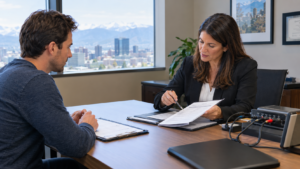
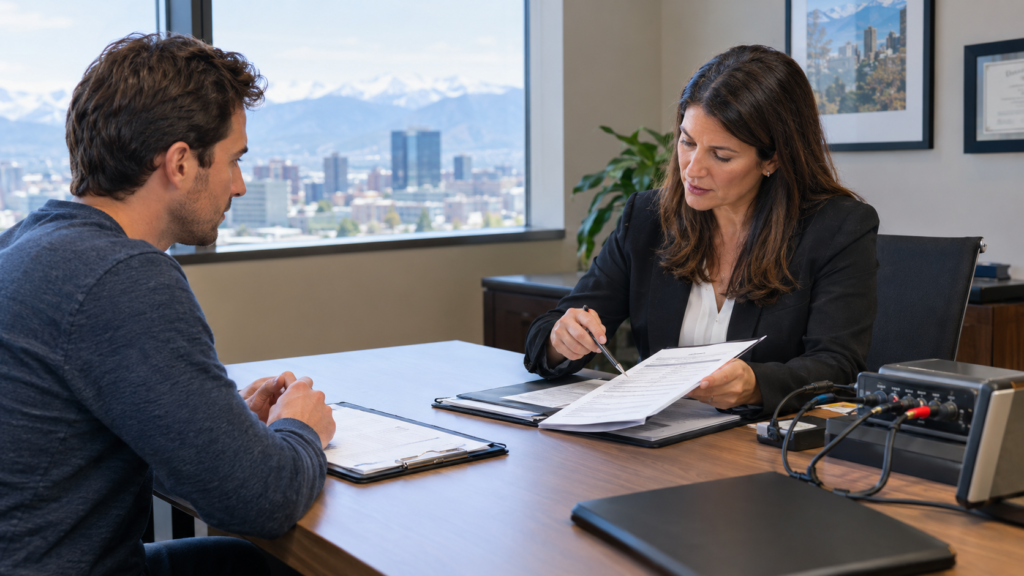
The examination also involves much more than sitting in a chair connected to sensors. The pre-test interview is an important part of the process because it allows the examiner to explain the procedure, discuss the examination topic, and review the questions.
If you are considering professional polygraph testing services in Denver, understanding the process beforehand can help you approach your appointment with realistic expectations.
How Does a Polygraph Examination Work?
Although procedures can vary depending on the type of examination and testing technique, a typical polygraph examination involves several stages.
1. Scheduling and Intake
Before your appointment, the examiner may collect information about the purpose of the examination and the issue that needs to be addressed. You may also receive instructions about the appointment, identification, documents, or other information to bring.
2. Pre-Test Interview
The pre-test interview is an important part of a professional polygraph examination.
During this stage, the examiner can explain the examination process, discuss the issue being tested, and review the questions with you. The American Polygraph Association’s standards state that sufficient time should be dedicated to identifying and discussing examination issues and potential problem areas.
This is also the appropriate time to raise questions about anything you do not understand.
3. Instrument Setup
The examiner attaches the necessary sensors and explains what they are designed to record.
Polygraph equipment may monitor respiratory patterns, electrodermal activity, cardiovascular activity, and movement.
4. Question Phase
The examiner asks the questions according to the examination protocol. Questions and their meaning should have been reviewed beforehand.
The goal is not for you to guess what the examiner means. If you do not understand a question during the pre-test discussion, ask for clarification.
5. Data Analysis and Post-Test Discussion
After data collection, the examiner evaluates the recorded information according to the applicable examination procedure. In appropriate circumstances, the examinee may also have an opportunity to explain responses associated with particular questions.
Because examination procedures differ, your examiner should explain what will happen after testing and how results will be communicated.
How to Prepare for a Polygraph Test
Proper preparation is mostly about arriving in a normal, comfortable, and informed state.
1. Get a Normal Night’s Sleep
Try to maintain your normal sleep routine before the examination.
There is no benefit to intentionally staying awake, drastically changing your sleep schedule, or trying to make yourself unusually tired. Instead, give yourself enough time to rest so you can arrive alert and comfortable.
2. Eat Normally Before the Examination
Unless your examiner gives you different instructions, maintain your normal eating routine.
Arriving extremely hungry or uncomfortable can make an already unfamiliar situation more difficult. You do not need a special “polygraph diet.”
3. Follow Your Normal Medication Instructions
Do not change prescribed medication simply because you have a polygraph appointment.
If you take medication or have a condition that you believe is relevant to the examination, discuss it with the examiner. For medical decisions, follow the instructions of your healthcare professional rather than making changes specifically for the test.
4. Avoid Arriving Impaired
Do not plan to attend a professional examination while intoxicated or impaired.
The purpose of preparation is to arrive ready to participate appropriately in the examination process, not to alter your normal physical or mental state.
5. Wear Comfortable Clothing
Choose comfortable clothing appropriate for the appointment.
The examiner needs to attach and operate the necessary equipment, so clothing that allows reasonable access to the relevant areas can be practical.
6. Arrive on Time
Give yourself enough time to reach the examination location without rushing.
If you are traveling to a Denver-area appointment, consider traffic, parking, and building access when planning your arrival.
7. Understand Why You Are Taking the Test
Before your appointment, make sure you understand the general purpose of the examination.
For example, a private relationship examination, an employment-related examination, and an attorney-requested examination may have very different purposes and questions.
If your examination relates to a legal matter, discuss legal strategy with your attorney rather than relying on a polygraph examiner for legal advice.
8. Listen Carefully to Each Question
Listen to the wording of every question.
If something is unclear during the pre-test process, ask for clarification. Professional standards emphasize that examinees should understand the examination questions before testing begins.
You should not feel that you have to guess what a question means.
9. Answer Honestly and Clearly
The most straightforward approach is to answer the questions according to their actual meaning.
Do not try to manufacture a particular physiological response or use internet “polygraph tricks.” Attempts to manipulate an examination can create additional complications and do not constitute proper preparation.
10. Tell the Examiner About Relevant Concerns
If you have concerns about the process, physical discomfort, medication, or another circumstance you believe may be relevant, discuss it with the examiner.
The pre-test interview exists in part to make sure the examiner and examinee understand the examination issue and questions before testing begins.
What Should You Do the Day Before a Polygraph Test?
The day before your examination, focus on normal preparation rather than trying to find a special technique.
Get adequate sleep, confirm your appointment details, prepare any requested identification or documentation, and follow the instructions provided by your examiner.
You also do not need to spend the night studying polygraph questions found online. Your examination is based on its specific purpose and scope, and questions are generally reviewed during the pre-test process.
If you are particularly concerned about the examination, writing down practical questions to ask the examiner can be more useful than searching for unverified online advice.
What Should You NOT Do Before a Polygraph Test?
Knowing what not to do can be just as useful as knowing how to prepare.
Don’t Search for Tricks to Beat a Polygraph
Online sources sometimes promote techniques supposedly designed to manipulate a polygraph examination.
Trying to manipulate the test is not appropriate preparation. Instead, focus on understanding the process and communicating clearly with the examiner.
Don’t Deliberately Change Your Normal Routine
There is no reason to intentionally deprive yourself of sleep, drastically change your eating habits, or make unnecessary changes to your normal routine.
The objective is to arrive prepared and able to participate normally.
Don’t Arrive Intoxicated or Impaired
An examination requires your cooperation and attention. If you are impaired, contact the examiner and follow their instructions rather than simply arriving for the appointment.
Don’t Hide Relevant Information From the Examiner
If you have a concern that may be relevant to the examination, discuss it during the appropriate part of the process.
The pre-test interview gives the examiner an opportunity to understand the examination issue and allows the examinee to ask questions about the procedure.
Can You Be Nervous During a Polygraph Test?
Yes. It is understandable to feel nervous before an unfamiliar examination, particularly when the subject matter is personally important.
Being nervous does not mean you should try to suppress every natural reaction or attempt to control your physiology. Instead, tell the examiner that you are nervous and use the pre-test discussion to understand what will happen.
Professional polygraph standards call for the examination environment to be reasonably free from distractions and for the examiner to explain the process and examination issues before testing.
The important point is that you should not assume that ordinary nervousness automatically determines an examination outcome.
What Questions Are Asked During a Polygraph Test?
Polygraph questions depend on the purpose and scope of the examination.
For a specific-issue examination, relevant questions generally focus on the particular issue being examined. Other examination types may have different areas of inquiry.
The American Polygraph Association explains that examination questions are discussed during the pre-test interview before testing.
This is why generic lists of “polygraph questions” found online may not tell you exactly what you will be asked.
What If You Don’t Understand a Question?
Say so during the appropriate part of the examination process.
Do not try to guess what the examiner intended. Ask for clarification so that you and the examiner have the same understanding of the question before testing begins.
What Should You Bring to a Polygraph Appointment?
Your examiner should tell you what is required for your specific appointment, but useful preparation may include:
- Government-issued identification, when requested
- Appointment information
- Relevant documents requested by the examiner
- Information concerning the examination issue
- Any other materials specifically requested before your appointment
If your examination is connected with a legal case, coordinate with your attorney regarding documents or case information that may be relevant.
Preparing for Different Types of Polygraph Examinations
Not every polygraph examination serves the same purpose. Understanding the type of examination you are taking can help you prepare appropriately.
Pre-Employment Polygraph Testing
Employment-related examinations can involve questions associated with the employer’s examination scope and applicable requirements.
If you are taking a pre-employment polygraph, make sure you understand why the examination is being conducted and follow the instructions provided to you.
Relationship or Infidelity Polygraph Testing
People sometimes seek private polygraph examinations to address questions involving relationships or fidelity.
For these examinations, clearly defining the issue is particularly important. Questions should be specific enough that both the examiner and examinee understand what is being addressed.
Criminal or Investigative Polygraph Testing
Investigative examinations may concern a specific incident or allegation.
If your examination relates to a criminal investigation, remember that a polygraph examination is not a substitute for legal advice. If you have legal representation, discuss the matter with your attorney.
Attorney and Defense Exams
Attorneys may request polygraph examinations in connection with certain legal or investigative matters.
If you need an attorney and defense exam, discuss the purpose of the examination with your attorney and make sure the examiner understands the specific issue that needs to be addressed.
Post-Conviction Testing
Post-conviction examinations can involve specific questions related to an individual’s circumstances and supervision or legal situation.
Because legal requirements and circumstances vary, anyone involved in a post-conviction matter should coordinate with the appropriate legal or supervising professionals.
Private Polygraph Testing
Private examinations may be requested for personal, relationship, employment, investigative, or other purposes.
Before scheduling a private examination, ask the examiner about the scope of the test, the examination process, scheduling requirements, and pricing.
How to Prepare for a Polygraph Test in Denver, CO
If you are looking for a polygraph test in Denver, preparation starts with choosing an examiner who clearly explains the process.
Before scheduling, consider asking:
- What type of examination is appropriate for my situation?
- What information should I provide before the appointment?
- How are the questions developed and reviewed?
- What should I bring?
- How long should I expect the appointment to take?
- How are results provided?
- What is included in the examination fee?
Proof Positive Testing provides polygraph examination services in Denver and other Colorado locations. Its website lists services including relationship and fidelity testing, attorney and defense exams, and business and family theft investigations.
If you are researching polygraph testing in Denver, CO, reviewing the examination process and asking questions before booking can help you choose a service that fits your needs.
How to Choose a Professional Polygraph Examiner
Choosing an examiner is an important part of preparing for an examination.
Look for Relevant Experience
Ask whether the examiner regularly conducts the type of examination you need.
An examiner who routinely handles private, investigative, employment, or legal examinations may be familiar with the requirements associated with that type of test.
Ask About the Testing Process
A professional examiner should be able to explain the basic examination process, including the pre-test interview, question review, testing, and results process.
Ask About Confidentiality
If your examination involves sensitive personal or legal information, ask how examination information and reports are handled.
Understand Pricing and Appointment Requirements
Ask what is included in the quoted price and whether additional circumstances, such as travel or unusual examination requirements, may affect the cost.
For example, Proof Positive Testing states that factors such as examination type, complexity, duration, and travel can affect pricing.
For readers comparing options, the polygraph testing FAQ and pricing information can provide another useful step before scheduling.
Look for Clear Communication
The examiner should explain the procedure in language you can understand.
Professional communication is especially important if you are nervous or have never taken a polygraph test before.
Common Polygraph Test Preparation Myths
“You Can Study for a Polygraph Like an Exam”
A polygraph is not a traditional test where you memorize answers from a study guide.
The more useful preparation is understanding the purpose of the examination, reviewing questions during the pre-test process, and knowing what to expect.
“Being Nervous Means You Will Fail”
Nervousness is a common concern among examinees. You should not assume that simply feeling anxious determines the outcome of an examination.
If you are nervous, discuss it with the examiner.
“There Is One Trick That Beats Every Polygraph”
Claims about universal polygraph tricks should be approached cautiously.
Polygraph examinations involve an examiner, a defined examination issue, specific questions, instrumentation, data collection, and analysis. There is no responsible reason to approach preparation as a game of trying to manipulate the equipment.
“A Polygraph Reads Your Thoughts”
A polygraph records selected physiological activity. It does not literally read thoughts.
The American Polygraph Association describes measurements such as respiration, electrodermal activity, and cardiovascular activity as components of polygraph recording.
“Everyone Gets the Same Questions”
Questions depend on the purpose and scope of the examination.
A specific-issue examination, employment examination, and private relationship examination can involve different questions and examination objectives.
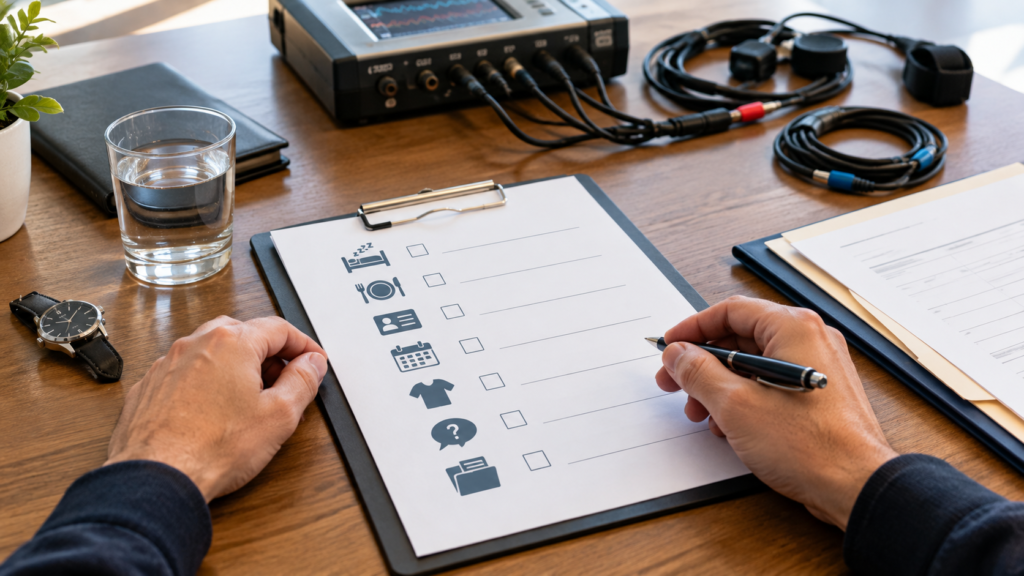
Polygraph Test Preparation Checklist
Before your appointment, review this simple checklist:
- Get a normal night’s sleep.
- Eat normally.
- Follow your regular medication instructions.
- Avoid arriving intoxicated or impaired.
- Wear comfortable clothing.
- Confirm the appointment time and location.
- Bring requested identification or documents.
- Understand the general purpose of your examination.
- Ask questions if something is unclear.
- Listen carefully to each question.
- Answer questions honestly and clearly.
- Follow the examiner’s instructions.
The most important preparation is not learning how to manipulate a polygraph. It is arriving ready to participate in the examination and understanding what the process involves.
Frequently Asked Questions About Preparing for a Polygraph Test
How should I prepare for a polygraph test?
Prepare by getting normal rest, eating normally, following your usual medication instructions, wearing comfortable clothing, arriving on time, and understanding the purpose of the examination. Ask the examiner about anything you do not understand and follow the specific instructions provided for your appointment.
What should I do the night before a polygraph test?
Maintain your normal routine and get adequate sleep. Confirm the appointment details, prepare requested documents or identification, and avoid arriving impaired. There is no need to spend the night studying supposed polygraph tricks or techniques.
Should I eat before taking a polygraph?
In general, maintain your normal eating routine unless your examiner provides different instructions. Avoid deliberately fasting or making unusual dietary changes simply because you have a polygraph appointment.
Can I take my regular medication before a polygraph?
Do not change prescribed medication simply because of a polygraph examination. Follow your healthcare provider’s instructions and tell the examiner about relevant medications or concerns when appropriate.
Should I drink coffee before a polygraph test?
You should avoid making unusual changes to your normal routine solely for the examination. If you have questions about caffeine or other substances before your appointment, ask your examiner for specific guidance.
Can anxiety affect a polygraph test?
People can naturally feel nervous before a polygraph examination. Instead of trying to suppress normal nervousness or manipulate your physiological responses, discuss your concerns with the examiner during the pre-test process.
What should I wear to a polygraph examination?
Wear comfortable clothing that allows you to sit comfortably during the examination and permits the examiner to attach the necessary sensors. There is generally no need for special clothing.
What should I bring to a polygraph appointment?
Bring anything your examiner specifically requests, such as identification, appointment information, or relevant documents. If the examination concerns a legal matter, ask your attorney what information should be provided.
What happens during a polygraph test?
A typical examination includes a pre-test interview, review of the examination questions, sensor setup, collection of physiological data, analysis of the recorded information, and, when appropriate, a post-test discussion.
How long does a polygraph examination take?
The length varies depending on the examination type, number of issues, interview requirements, testing procedure, and other circumstances. Ask the examiner for an estimated appointment duration when scheduling.
Can you fail a polygraph because you are nervous?
You should not assume that ordinary nervousness automatically determines an examination result. If you are concerned about anxiety, tell the examiner so the concern can be addressed during the pre-test process.
Can you prepare for a lie detector test?
Yes. Practical preparation includes getting normal rest, following your usual routine, understanding the examination purpose, arriving on time, and making sure you understand the questions before testing.
Should I try to control my breathing during a polygraph?
Do not try to manipulate your breathing or physiological responses to influence an examination. Follow the examiner’s instructions and maintain a natural, comfortable approach to the testing process.
What happens if I don’t understand a polygraph question?
Tell the examiner that you do not understand it and ask for clarification during the appropriate stage. Questions should be reviewed before testing so that their meaning is understood.
Are polygraph questions discussed before testing?
Yes. The pre-test process includes discussion and review of the examination questions. The American Polygraph Association’s standards specifically emphasize reviewing questions with the examinee before the in-test recording phase.
Can I take a polygraph test voluntarily?
Private polygraph examinations can be requested voluntarily, but the circumstances and purpose of an examination vary. Discuss your specific situation with a qualified examiner before scheduling.
Where can I get a polygraph test in Denver, CO?
Private polygraph services are available in Denver. Proof Positive Testing lists a Denver office and provides several types of polygraph examinations.
How much does a private polygraph test cost?
The cost depends on factors such as examination type, complexity, duration, and other appointment requirements. For current information, review the provider’s pricing information and ask for a quote based on your specific examination.
Can an attorney request a polygraph examination?
An attorney can request or coordinate an examination when appropriate for a client’s circumstances. If your test involves a legal matter, discuss the purpose and potential use of the examination with your attorney before scheduling.
What types of polygraph tests are available?
Available examinations can include private relationship testing, employment-related testing, investigative examinations, attorney and defense examinations, and other specialized examinations. The appropriate examination depends on the specific issue and purpose.
When Should You Consider Professional Polygraph Services?
People seek professional polygraph services for different reasons. The important first step is identifying the specific issue you want the examination to address.
Depending on your situation, you may be researching:
- Private polygraph testing
- Relationship or fidelity testing
- Pre-employment polygraph testing
- Investigative polygraph testing
- Attorney and defense examinations
- Post-conviction examinations
- Business or family theft investigations
If you are unsure which service applies to your situation, contacting a professional examiner and explaining the general purpose of the examination can help you understand your options.
For example, someone dealing with a legal matter may need an attorney and defense polygraph examination, while someone dealing with a private relationship concern may need a different type of examination.
Schedule a Professional Polygraph Examination in Denver, CO
Preparing for a polygraph test does not have to be complicated.
Get normal rest, maintain your usual routine, understand the purpose of the examination, arrive on time, listen carefully, and ask questions when something is unclear. Most importantly, avoid relying on online “tricks” or attempts to manipulate the examination.
If you are looking for professional polygraph services in Denver, Proof Positive Testing provides examinations for a range of private, investigative, employment, and legal-related needs. The company lists a Denver office and additional Colorado locations on its website.
You can learn more about available polygraph services in Denver CO and review the appropriate service information before contacting an examiner.
Final Thoughts
Knowing how to prepare for a polygraph test can make the experience less unfamiliar and help you approach your appointment with realistic expectations.
You do not need to memorize answers, search for tricks, or dramatically change your normal routine. Focus on the basics: get adequate rest, eat normally, follow your regular medication instructions, bring the requested information, understand the examination questions, and communicate clearly with the examiner.
A professional examination should give you an opportunity to understand the process and the questions before testing begins. The American Polygraph Association’s current Standards of Practice emphasize preparation, discussion of examination issues, explanation of the process, and review of questions before testing.
If you are considering a polygraph examination in Denver, taking time to understand the process before scheduling can help you make an informed decision about the service you need.