If you are searching for a polygraph test in Denver, CO, you may have questions about where to go, how professional lie detector testing works, how much it costs, and what you should expect during an examination.
Finding a local polygraph provider is only the first step. It is also important to understand the testing process, the type of examination you need, what is included in the service, and what questions you should ask before scheduling.
This guide explains the basics of professional polygraph testing in Denver in simple terms so you can make an informed decision about your next step.
Where Can I Get a Polygraph Test Near Me in Denver, CO?
Professional polygraph examinations are available through private testing providers in the Denver area. When looking for a local examiner, consider the provider’s experience, qualifications, testing environment, examination process, pricing, and the type of situation they regularly handle.
Proof Positive Testing provides polygraph examinations in Denver and lists its Denver office at 5290 East Yale Circle, Suite 105. The company also provides testing in other Colorado locations and states that examinations can sometimes be arranged at attorney or counselor offices when appropriate.
If you are searching for polygraph tests near me, start by determining why you need the examination. A personal relationship matter, theft concern, attorney-related matter, or another specific issue may require a different type of examination.
How Does a Professional Polygraph Test Work?
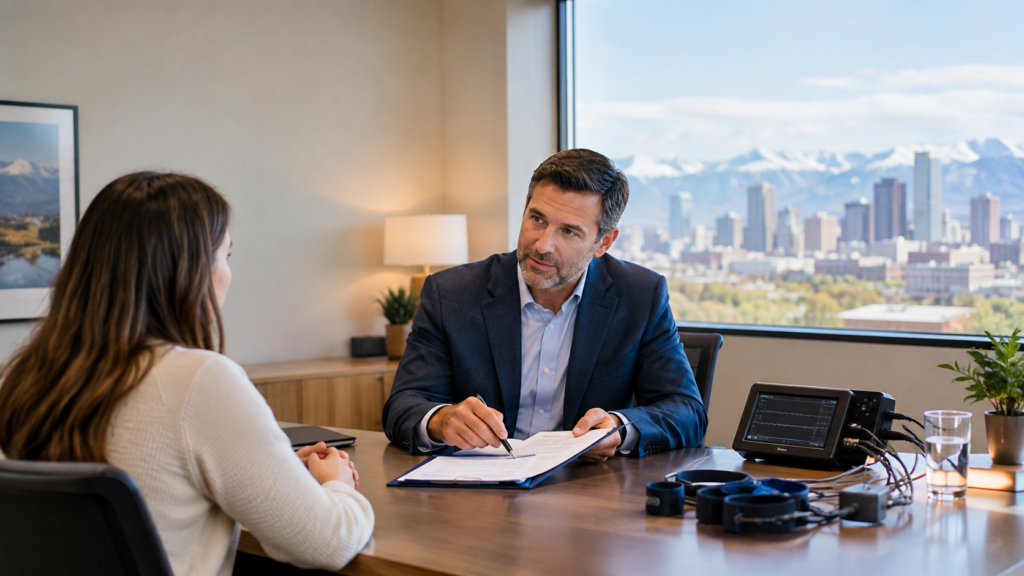
A polygraph examination is more than simply attaching sensors and answering questions. A professional examination normally involves several stages designed to establish the purpose of the test, review the questions, conduct the examination, and analyze the recorded physiological responses.
1. Initial Consultation
The process generally starts with a conversation about why the examination is being requested.
During this stage, you may discuss:
- The issue you want to address
- The purpose of the examination
- The people or circumstances involved
- The type of questions that may be appropriate
- Scheduling and preparation requirements
This conversation can also help determine whether a polygraph examination is appropriate for your situation.
2. Pre-Test Interview
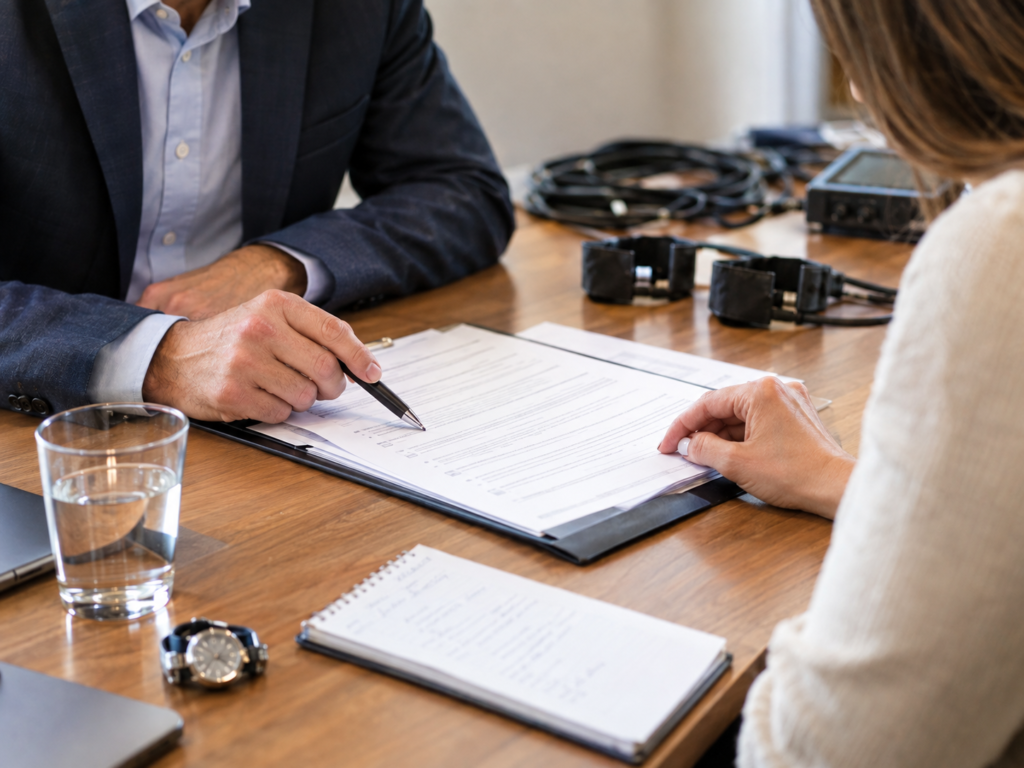
The pre-test interview is an important part of the examination. The examiner reviews the circumstances surrounding the issue and explains what will happen during testing.
Questions should be reviewed with the examinee before the examination begins. This gives the person being tested an opportunity to understand the wording and raise questions about anything that is unclear.
3. The Polygraph Examination
During the examination, a computerized polygraph instrument records physiological responses associated with the questions being asked.
Depending on the examination format, measurements can include respiration, cardiovascular activity, and skin response.
The equipment itself is only one part of the process. The examiner’s preparation, question formulation, examination procedure, and analysis are also important parts of a professional polygraph examination.
4. Post-Test Review
After testing, the examiner analyzes the charts and discusses the examination results.
Proof Positive Testing’s published polygraph information states that its process includes analysis of the computerized charts and a written report following the examination.
For a detailed explanation of the process, readers can also review the company’s Polygraph Facts resource.
Where Can I Go for a Lie Detector Test in Denver?
If you are searching where can I go for a lie detector test, look beyond distance alone.
A convenient provider should also be able to clearly explain:
- What type of examination you need
- How the examination works
- What preparation is required
- How questions are developed and reviewed
- What the examination fee includes
- How results are reported
- What privacy practices apply
A professional testing environment should allow the examiner to conduct the examination without unnecessary interruptions.
For people searching for a lie detector test in Denver, a local office can also make scheduling and travel more convenient.
How to Find an Affordable Lie Detector Test Near Me
Cost is one of the most common concerns when people search for an affordable lie detector test near me.
However, comparing only the advertised price can leave out important details. Different examinations can require different amounts of preparation, testing time, analysis, and reporting.
What Can Affect Polygraph Test Cost?
The cost of a polygraph examination can depend on factors such as:
- Type of examination
- Complexity of the issue
- Number and nature of questions
- Length of the examination
- Examiner requirements
- Travel or mobile testing
- Reporting requirements
Proof Positive Testing states that its pricing depends on factors including test type, complexity, duration, and travel.
When comparing an affordable lie detector test, ask what is included in the quoted price rather than choosing solely on the lowest number.
Are There Free Polygraph Tests Near Me?
Searches for free polygraph test near me can lead to several different types of results.
Some websites offer online quizzes or entertainment-style “lie detector” tests. These are different from professional polygraph examinations conducted with specialized equipment and a trained examiner.
If you need an examination for a serious personal, professional, or legal-related matter, determine whether the service you are considering actually provides an in-person professional examination.
A free online quiz should not automatically be treated as equivalent to a professional polygraph examination.
What Types of Polygraph Tests Are Available?
The appropriate examination depends on the issue being addressed.
Personal and Relationship Polygraph Testing
Some people seek polygraph testing because of questions involving relationships, fidelity, trust, or personal disputes.
These examinations may focus on a specific issue that the parties want clarified.
Attorney and Defense Examinations
Polygraph examinations may also be requested in connection with attorney or defense matters.
If your examination relates to an active legal case, discuss the purpose and potential use of the examination with your attorney before scheduling.
You can learn more about available Attorney & Defense Exams through the relevant service page.
Theft-Related Testing
Private individuals and businesses may seek testing when dealing with questions involving suspected theft or missing property.
The examination should focus on clearly defined issues rather than attempting to answer an unlimited number of unrelated questions.
Other Specialized Examinations
Other forms of testing may be available depending on the examiner, purpose, and circumstances.
Before booking, explain your situation and ask which examination format is appropriate.
How Do I Choose a Polygraph Examiner in Denver, CO?
If you are searching for a Denver polygraph examiner, consider several factors before making an appointment.
Check Qualifications and Training
Ask about the examiner’s professional training, credentials, experience, and relevant professional associations.
Proof Positive Testing states that its examiners are associated with organizations including the American Polygraph Association and Colorado Association of Polygraph Examiners.
Ask About the Examination Process
A professional provider should be able to explain the process in straightforward language.
Ask:
- How long should I expect the appointment to take?
- Will the questions be reviewed before testing?
- What preparation is required?
- How are the results analyzed?
- Is a written report provided?
- What happens if a question is unclear?
Understand the Price Before Booking
Ask for a clear explanation of the examination fee and any factors that could change the price.
This is especially important when comparing providers for an affordable polygraph test.
Consider Privacy
Polygraph examinations can involve highly personal information. Before testing, ask how your information and examination results are handled and who can receive a report.
Look at the Testing Environment
A quiet and private environment can make the testing process more comfortable and organized.
What Should I Know Before Scheduling a Polygraph Test?
Preparation does not have to be complicated.
Before your appointment:
- Understand why you are taking the test.
- Discuss your situation with the examiner beforehand.
- Bring identification if requested.
- Follow the provider’s preparation instructions.
- Ask questions about anything you do not understand.
- Make sure you know the appointment location and expected duration.
- Avoid arriving rushed or unnecessarily stressed.
The examiner should explain the process and review the questions with you before the actual examination.
What Questions Are Asked During a Polygraph Test?
There is no universal list of questions that applies to every examination.
Questions are developed around the specific issue being examined. The wording should be clear and focused on the matter being tested.
Proof Positive Testing explains that questions are reviewed with the examinee before testing begins. Its published information also distinguishes between questions used to establish response patterns and questions addressing the specific issue under examination.
This is one reason a good pre-test discussion matters: the examiner needs to understand the issue and the examinee needs to understand the questions.
How Long Does a Polygraph Test Take?
The total appointment time varies depending on the examination.
A polygraph appointment can involve:
- Initial discussion
- Pre-test interview
- Question review
- Instrument setup
- Examination charts
- Chart analysis
- Post-test discussion
- Written reporting
The complexity of the matter and the examination format can affect how long the appointment takes.
Rather than choosing a provider solely because an examination is advertised as extremely quick, ask what stages are included in the appointment.
What Should I Expect From a Denver Polygraph Testing Appointment?
A typical appointment can be thought of as a simple process:
Consultation → Preparation → Question Review → Examination → Analysis → Results
The first step is explaining what you need to the examiner.
Next, the examiner discusses the issue and reviews the questions. Once the questions are understood, the examination can begin.
After the charts are collected, the examiner analyzes the recorded responses and discusses the results according to the examination procedure.
Proof Positive Testing states that its Denver office is located at 5290 East Yale Circle, Suite 105, and that testing is generally conducted at its Denver or Colorado Springs locations. Its About Us page also notes that testing can sometimes be arranged at attorney or counselor offices when circumstances require it.
Polygraph Testing vs. Counseling: What’s the Difference?
People sometimes search for phrases such as “prove counseling” when they are looking for help with a relationship, dispute, or trust issue.
Polygraph testing and counseling are different services.
A polygraph examination is designed to address specific questions through a structured testing process. Counseling, on the other hand, is intended to provide professional support for emotional, relationship, behavioral, or other personal concerns.
In some situations, people may work with a counselor and separately consider whether a polygraph examination is appropriate. These services should not be treated as substitutes for one another.
If your situation involves an attorney, therapist, or counselor, it can be helpful to discuss the role of a polygraph examination with that professional before scheduling.
Polygraph Testing in Denver and Nearby Colorado Communities
People searching for polygraph testing near me may live outside central Denver.
Proof Positive Testing lists service locations and pages for communities in the Denver metropolitan area and elsewhere in Colorado.
Depending on availability and the type of examination, clients may be able to access testing in or around communities such as Aurora, Boulder, Lakewood, Arvada, Westminster, Glendale, Englewood, and Thornton.
If you live outside Denver, check the provider’s current location information before booking because available offices and mobile testing arrangements can vary.
Frequently Asked Questions About Polygraph Tests Near Me
Where can I get a polygraph test near me in Denver?
Professional polygraph examinations are available through private testing providers in the Denver area. Before scheduling, check the examiner’s qualifications, testing process, location, pricing, and examination type.
How much does a polygraph test cost in Denver, CO?
There is no single price for every examination. Cost can vary according to the examination type, complexity, duration, travel requirements, and reporting needs. Ask the provider for pricing based on your specific situation.
Is there an affordable lie detector test near me?
Yes, people can compare local providers based on their examination fees and what those fees include. When comparing an affordable lie detector test, consider the examiner’s qualifications, process, privacy practices, and reporting—not just the advertised price.
Can I get a free polygraph test near me?
You may find free online lie detector-style quizzes, but these should not automatically be considered equivalent to professional polygraph testing. A professional examination generally involves trained personnel, specialized equipment, structured questions, and analysis.
Where can I go for a lie detector test?
You can look for professional polygraph testing providers in your local area. In Denver, check the provider’s current office location, appointment availability, examination types, and pricing before booking.
How long does a polygraph examination take?
The time varies by examination. The appointment can include a consultation, pre-test interview, question review, testing, analysis, and discussion of the results.
What happens during a polygraph test?
The process generally includes a pre-test discussion, review of questions, physiological recording during the examination, chart analysis, and a post-test discussion.
Do I need to prepare for a polygraph test?
Follow the specific instructions provided by your examiner. You should understand the purpose of the examination, review the questions, bring requested identification or information, and arrive prepared for the scheduled appointment.
Are polygraph tests confidential?
Privacy practices vary by provider and situation. Before testing, ask how your information, examination data, and written report will be handled and who can receive the results.
Can I take a polygraph test for a personal matter?
Private polygraph testing can be requested for certain personal matters, including relationship, fidelity, trust, and theft-related concerns. The examiner can explain whether your specific issue is suitable for testing.
Can an attorney request a polygraph examination?
An attorney may request or recommend an examination in certain circumstances. If the test relates to an active legal matter, discuss the purpose and potential use of the examination with your attorney before scheduling.
Ready to Learn More About Polygraph Testing in Denver?
If you are searching for a polygraph test near me, start by understanding what you need from the examination.
Consider the issue you want to address, the type of testing that may be appropriate, the examiner’s qualifications, the expected process, the cost, and how your information will be handled.
Proof Positive Testing provides polygraph testing in Denver and other Colorado locations, with examinations covering personal, relationship, theft, and attorney-related matters.
If you have questions about your situation, you can contact the team to discuss your needs and determine what type of examination may be appropriate.
The goal of a professional polygraph appointment is not simply to connect someone to a machine. It is a structured process that begins with understanding the issue, continues through careful question review and testing, and concludes with analysis and discussion of the results.